Last Island of Survival
- 3.7
- Rating
- 10.00M
- Installs
- Free
- Price

 Analysis by App-foxy
What kept me playing Last Island of Survival was not simply the promise of a large map or another round of combat. It was the pressure created by having to turn a dangerous island into a place I could actually use. Every decision felt connected: where I searched, what I carried, which shelter I trusted, and whether I should risk one more trip before returning. That survival loop gives this action game a more demanding personality than a straightforward shooter.
I reviewed the Android version as a free game from HK Hero Entertainment Co., Limited. It is aimed at Teen players, requires Android 6.0 or later, and its current version is 18.1. The game has been available since November 6, 2019, and its large player base is reflected in more than ten million installs, with an average score of 3.7 from roughly 590 thousand ratings. Those figures suggest a well-known title, but they also tell me to set realistic expectations: this is a broad online survival experience, not a perfectly polished niche game made for everyone.
Why the survival loop matters more than the shooting
The central capability here is the way survival turns ordinary movement into a meaningful choice. In many action games, walking across a map is just the time between fights. Here, travel has a purpose because the island is where I gather what I need to stay equipped and establish a safer base. The result is a rhythm of preparation, risk, retreat, and improvement.
You May Also Like

 Blood Strike: 2.5 Anniversary
Blood Strike’s Loadouts Turn Every Drop Into a Tactical Gamble
A close look at Blood Strike’s custom loadouts: how fast access to signature weapons reshapes its battle royale rhythm, rewards preparation, and narrows the gap between fights.

 Pandora - Music & Podcasts
Pandora’s Music Is Easy to Start, but Harder to Recover
Pandora’s strength is its low-effort path from a seed to a station. Its weak spot is how much confidence it asks you to place in connection, setup, and quiet recovery.

 8 Ball Pool
 Is Built on Rivalries, Rematches, and Routine
A close look at the rivalries, rematches, shared routines, and unanswered safety questions that turn a quick pool match into a persistent mobile community.

 Samsung Music
’s Quiet Strength Is Playing What You Already Own
Its reach comes less from spectacle than from dependable access to a personal library. That simplicity is both the app’s strongest retention engine and its ceiling.

 AccuWeather: Weather Radar
AccuWeather Review: A Quick, Clear Forecast for Everyday Decisions
For everyday plans, the best forecast is the one you can understand quickly. AccuWeather makes rain timing, radar, and local conditions easy to act on, with a few trade-offs.

 Hill Climb Racing
Why Hill Climb Racing Still Turns Crashes Into One More Run
A tiny car, a bumpy hill and one more upgrade: Hill Climb Racing keeps resurfacing because its simple chaos makes every near-miss feel personal.
More From Our News Desk



I found that this changes how I approach combat. I do not automatically chase every sound or distant opponent. A fight can cost supplies, expose my position, and leave me too weak for the journey home. Sometimes the smarter move is to stay quiet, collect only what is useful, and leave before the situation becomes attractive to another player. That restraint is one of the game’s strongest qualities, especially for people who enjoy making decisions under uncertainty.
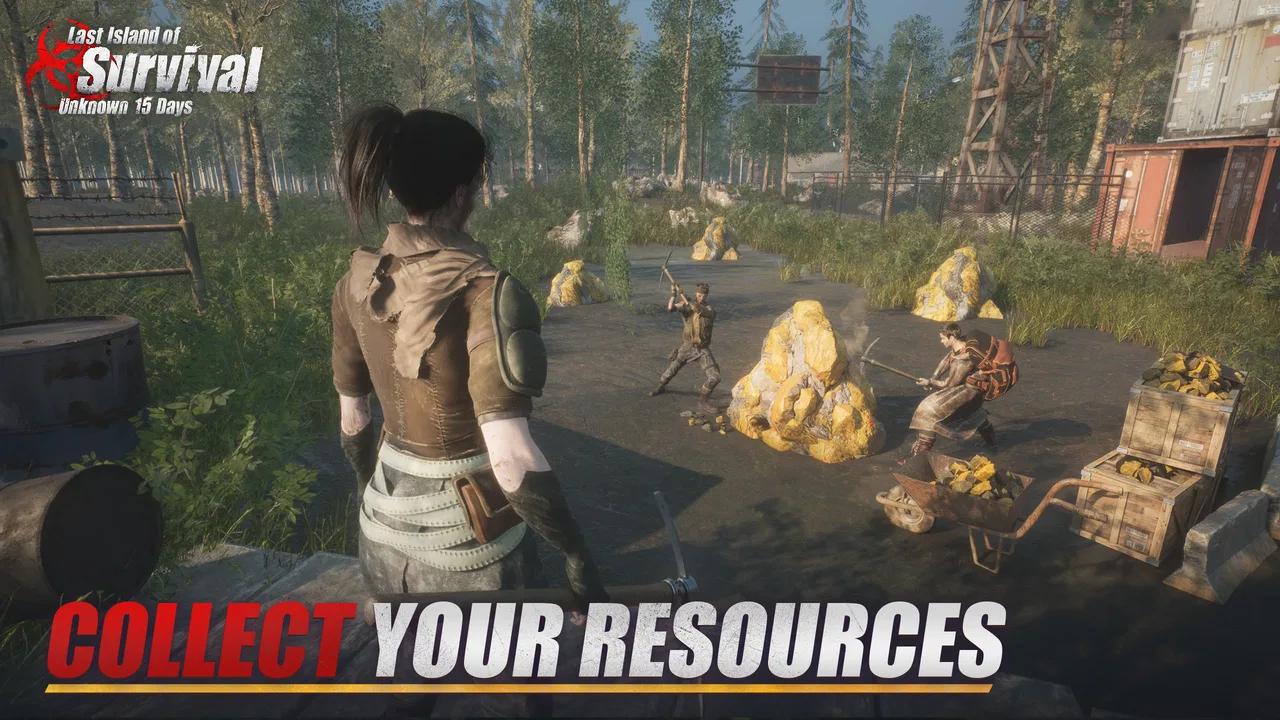
The survival focus also gives basic objects more importance than they would have in a conventional action title. A resource is not merely something to pick up because it glows or appears on a checklist. It supports a later plan. I might need materials for a shelter, equipment for a dangerous area, or enough supplies to make a return trip worthwhile. The most satisfying moments often happen before a confrontation, when I realize that my preparation has made a difficult route possible.
The real strength is the tension between progress and exposure. Improving my position requires leaving the safety of familiar ground, but every expedition can undo that progress if I become careless. This is why the game feels more engaging when I play with a clear objective rather than wandering without a plan. The island rewards curiosity, but it punishes curiosity without an exit strategy.
How a normal session develops
A typical session begins with a small question: what do I need next? If my equipment is weak, I concentrate on gathering and avoid unnecessary conflict. If my base is in better shape, I can afford to explore farther and accept a more dangerous route. That simple planning step prevents the game from becoming a repetitive cycle of running toward the nearest noise.
Once I leave my usual area, I watch three things at once: the value of what I am carrying, the amount of protection I have, and the distance back to a secure location. This is where the game’s open-world structure has its practical effect. I am not following a narrow corridor from one encounter to another. I am deciding how far to push, and that decision remains mine even when the island becomes unpredictable.
Returning safely is often more satisfying than winning a quick exchange. A successful trip means the materials I gathered can support my next improvement instead of disappearing with an avoidable mistake. I learned to treat the journey back as part of the mission, not as a boring conclusion. Many survival games create excitement at the point of contact; this one can keep the tension alive until I have actually secured the result.
That workflow is also useful for new players. Rather than trying to understand every possibility immediately, I recommend choosing one short-term goal per outing. Gather enough for a practical upgrade, learn one route, or test one area. This makes the island easier to read and reduces the frustration of losing a large, badly organized haul because I stayed outside too long.
The base is a planning tool, not just decoration
The shelter-building side of the experience matters because it gives exploration a reason. A base is where progress becomes tangible. When I improve it, the island feels less like an endless space and more like a place I am gradually learning to control. That sense of ownership is important, because the game can otherwise feel harsh when a trip ends badly.
I found it helpful to think of the base as a staging point. Before leaving, I decide what I am willing to risk and what should remain protected. I avoid filling my inventory with items that do not support the immediate objective, because excess carrying creates the illusion of progress without a clear payoff. A smaller, purposeful haul is often more useful than a large collection that forces me into another risky trip.
This is one of the less obvious lessons of the game: organization improves survival almost as much as aggression does. Keeping a mental separation between supplies for construction, equipment for exploration, and emergency reserves makes decisions faster. When a surprise encounter happens, I do not want to be thinking about what I should have brought. I want the important tools to be ready before I leave.
The system is most enjoyable when I can see a direct connection between a successful outing and a better starting position for the next one. It is less satisfying when progress feels interrupted by a sudden loss that I could not understand. For that reason, beginners should spend time learning the local rhythm before attempting ambitious journeys. The game becomes clearer once I stop treating every trip as an opportunity to collect everything.
The best everyday scenario for this game
I think the strongest use case is a player who has a short block of free time but wants a session with a meaningful arc. I can begin by checking my supplies, choose one destination, make a focused expedition, and return with either a useful upgrade or a better understanding of the area. Even when the session does not end with a dramatic victory, it can still feel productive because I made a deliberate survival decision.
For example, imagine starting an evening with basic equipment and a partially developed shelter. Instead of roaming randomly, I choose a nearby resource route, collect only what supports the next improvement, and return before darkness in my own confidence arrives too late. The next session begins with a clearer purpose. That continuity is what makes the game suitable for players who enjoy gradual progress rather than instant rewards.
It is also a good fit for friends who like discussing plans while playing. One person may prefer scouting, another may focus on gathering, and another may be more comfortable handling confrontation. The game’s appeal grows when players treat survival as a shared problem instead of turning every encounter into a contest over who reacts fastest. I would not recommend it to someone seeking a completely relaxed cooperative experience, because the threat of losing progress remains part of its identity.
On a phone, the best approach is to play with enough time to finish a trip properly. Starting a dangerous expedition when I may need to stop immediately is a poor match for the game’s structure. A short session works well when I stay close to a known area and set a modest goal. A longer session is better for exploration, because the return journey deserves the same attention as the outward route.
Where it differs from ordinary action alternatives
Compared with a traditional mobile shooter, this game asks me to value survival over immediate elimination. In a shooter, losing a match may simply mean starting another round. Here, the emotional weight comes from the connection between preparation, equipment, shelter, and the next expedition. That makes victories slower and more personal, but it also makes mistakes more irritating.
Compared with a calmer crafting game, it places more pressure on the player. Building and collecting are not isolated creative activities; they are tied to an environment where poor timing or careless movement can have consequences. Players who want peaceful construction without constant strategic concern may be happier with a gentler alternative.
It also differs from a tightly scripted adventure. There is less comfort in knowing that the next objective will unfold exactly as expected. I have to create my own priorities, and that freedom is both the attraction and the burden. If I enjoy mapping routes, weighing risk, and learning from failed plans, the open structure feels rewarding. If I prefer a clear sequence of missions, it can feel unfocused.
The trade-offs I noticed after longer play
The biggest limitation is that the game’s tension can become fatigue. Constantly watching supplies, routes, equipment, and possible threats demands attention. I appreciate that pressure in moderation, but it is not the kind of game I reach for when I want to switch off completely. The same survival systems that create memorable decisions can make a casual session feel surprisingly demanding.
The free entry point is helpful, but the presence of in-app purchases ranging from $0.99 to $139.99 per item means players should decide early how they want to spend. I prefer treating purchases as optional rather than allowing them to shape my strategy. Anyone who dislikes games with optional spending should approach this one cautiously and set a firm personal limit before playing.
The Teen content rating is another useful signal. The game’s action and survival atmosphere are not aimed at very young children, and parents should consider whether this type of online combat experience suits the player. The rating does not make the game unsuitable for every teenager, but it does make the intended tone clear.
The average rating of 3.7 shows that the experience has a mixed reception rather than universal approval. I understand why. The open-world survival format can be exciting when my choices matter, yet frustrating when a long preparation phase ends badly. It is a game that asks for patience before it reveals its best qualities, and not every player will consider that a fair exchange.
Performance expectations should also be sensible. The minimum requirement of Android 6.0 makes the game accessible to a wide range of devices, but compatibility is not the same as an equally smooth experience everywhere. On a less capable phone, I would keep expectations modest and avoid judging the entire design from a device that struggles with a demanding open world. A newer phone is the better choice for anyone who wants combat and exploration to feel responsive.
Three practical habits that improve the experience
First, I recommend separating scouting trips from serious resource runs. On a scouting trip, the goal is knowledge: identify a route, understand the danger, and learn where returning becomes difficult. On a resource run, I carry a specific purpose and turn back once that purpose is met. Mixing both goals encourages overconfidence and makes a single mistake more expensive.
Second, I use landmarks rather than relying only on memory. Open-world survival becomes confusing when every direction looks similar, especially after a stressful encounter. A recognizable route makes the return journey more reliable and helps me decide whether an apparently valuable detour is actually worth the time. This habit sounds simple, but it changes the game from improvisation into repeatable planning.
Third, I treat retreat as a successful action when the situation turns unfavorable. The game can tempt me to prove that I can win every encounter, but survival is about preserving future options. Leaving with useful materials is often better than risking everything for pride. This is particularly important for new players, because a series of small safe gains teaches the island faster than repeated reckless losses.
A fourth habit is to avoid carrying a vague collection of “maybe useful” items. Before leaving, I ask what the next upgrade or expedition actually requires. If an item does not serve that plan, it may be better left behind. This reduces decision overload and makes the return point clearer. It also helps me notice which resources I genuinely run short of instead of constantly carrying a little of everything.
Who will gain the most from the island
The best audience is someone who likes action but wants more consequence than a quick match provides. If I enjoy gathering, building, exploring, and making cautious decisions under pressure, this game offers a satisfying combination. It is especially appealing to players who like creating their own stories from unpredictable situations rather than being guided through a fixed campaign.
It is less suitable for someone who wants instant action, a calm building sandbox, or a short game with no meaningful loss. I would also steer away from it if I found online survival mechanics stressful or if I disliked deciding when to abandon a promising trip. The game’s identity depends on uncertainty, so removing that uncertainty would remove much of what makes it distinctive.
New players should begin with modest objectives and resist comparing their first sessions with experienced survivors. The island becomes more manageable once routes, priorities, and retreat points become familiar. I would also recommend learning the game without rushing into purchases. That gives a clearer sense of whether its survival loop genuinely suits me before I spend anything.
For returning players, the current version 18.1 is the relevant starting point, and the game’s long presence on mobile helps explain why its community is substantial. Still, popularity alone is not a reason to install it. The right question is whether I want a game where progress depends on preparation and judgment, not merely reflexes.
My final view is positive but selective. Last Island of Survival gives the action genre a stronger sense of consequence by making every expedition a calculation about what I can gain and what I can safely bring home. I enjoy it most when I play patiently, organize my objectives, and accept that retreat can be the correct outcome. It is free to start, widely available, and substantial enough to occupy many sessions, but its pressure, optional purchases, and occasional frustration will not suit everyone. If you want an action game that makes the journey home as important as the fight itself, this is worth trying.
FAQs for Last Island of Survival
01What is Last Island of Survival?
Last Island of Survival is a multiplayer survival game set on a dangerous, abandoned island. You must collect resources, craft tools and weapons, build a secure base, hunt for food, and defend yourself against wildlife and other players. The game combines exploration, crafting, combat, and online competition, so progress depends on both preparation and your ability to react to threats.
02Can I play Last Island of Survival offline?
No, Last Island of Survival is primarily an online multiplayer experience and requires an active internet connection to access its main gameplay features. Your character, base, resources, and interactions take place in a persistent online world. A stable Wi-Fi or mobile data connection is recommended, especially during combat, raids, and large multiplayer encounters where connection problems can affect your progress.
03Is Last Island of Survival free to download and play?
Last Island of Survival can generally be downloaded and played for free, but it may include optional in-app purchases. These purchases can provide items, resources, cosmetic content, or other conveniences, depending on the current version and available events. You can make progress without spending money, although free players may need more time and effort to gather materials and improve their equipment.
04Is Last Island of Survival suitable for children?
The game may not be suitable for young children because it features survival violence, weapons, combat against other players, frightening creatures, and online communication. It can also include in-app purchases and interactions with strangers. Parents should review the official age rating for their region, check the device’s purchase controls, and discuss privacy and online safety before allowing a child to play.
05What device requirements and permissions does the game need?
Last Island of Survival is a graphically demanding online survival game, so performance can vary considerably between devices. A relatively modern Android or iOS phone or tablet with sufficient free storage, updated system software, and a reliable internet connection is recommended. Older devices may experience longer loading times, reduced graphics quality, overheating, or occasional performance issues during busy multiplayer battles.
Pros
- Large open world with plenty of areas to explore and resources to collect.
- Base building offers many customization options and defensive strategies.
- Multiplayer clans make cooperation
- trading
- and territory battles more engaging.
- Frequent survival challenges provide goals beyond simply gathering materials.
- Wide range of weapons and vehicles keeps combat and exploration varied.
Cons
- Progress can feel slow without spending money on resources or upgrades.
- PvP encounters may be frustrating for new players with weaker equipment.
- The large download and detailed environments can use considerable storage.
- Energy
- crafting
- and upgrade timers can interrupt longer play sessions.
- Some servers may suffer from lag or uneven matchmaking during busy periods.

Last Island of Survival
Gallery